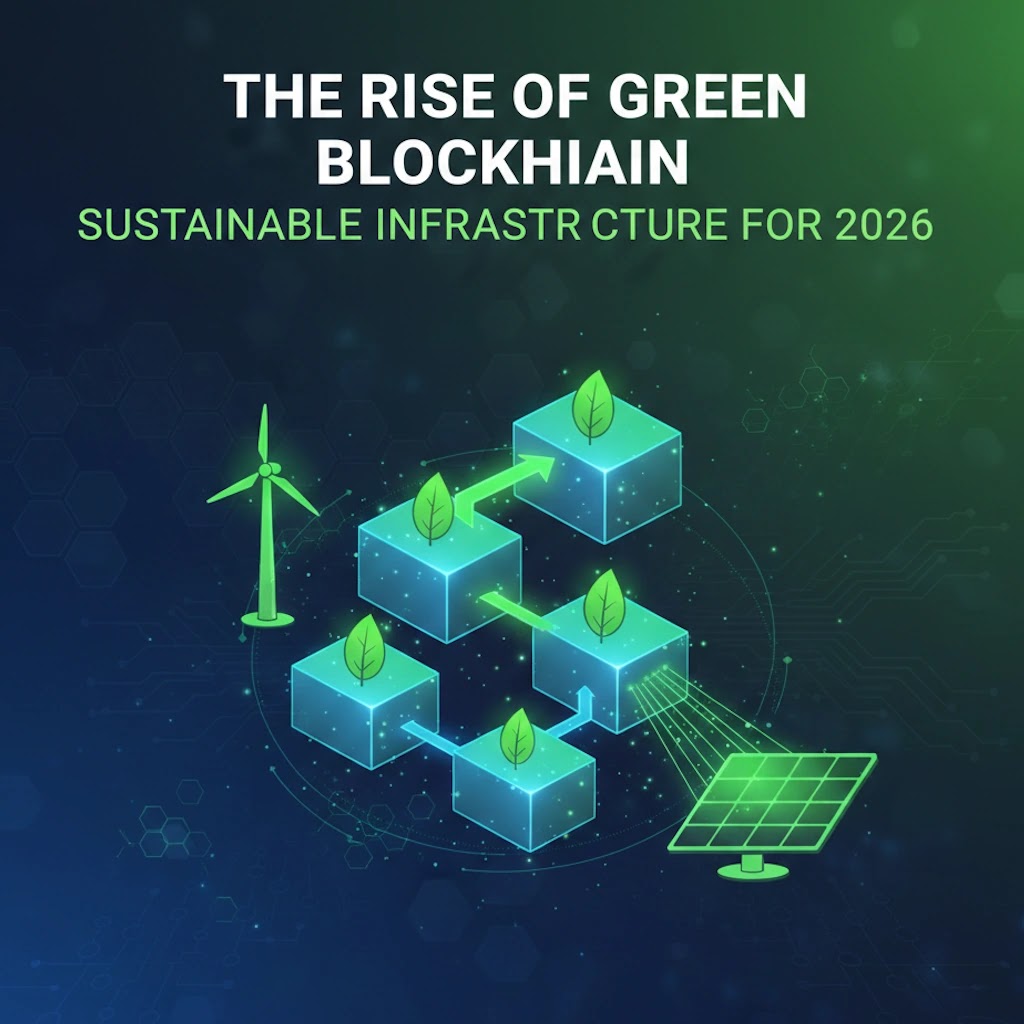
Blockchain technology spent years fighting criticism over energy consumption. Many early networks consumed massive electricity for transaction validation, especially systems based on Proof of Work mining. In 2026, that conversation has changed dramatically. Investors, regulators, developers, and enterprise buyers are now prioritizing sustainability alongside scalability and security.
Businesses building digital infrastructure can no longer ignore environmental impact. Companies entering Web3, decentralized finance, tokenization, and supply chain tracking are increasingly asked one important question before partnerships move forward. How sustainable is the infrastructure?
At KOLAACE™, we are seeing a major shift toward green blockchain infrastructure designed for lower energy usage, improved hardware efficiency, and better long term operational economics. This is not only about environmental branding. It is also about compliance readiness, investor confidence, and cost optimization.
This transition is closely connected to the growth of the DePIN movement, where decentralized physical infrastructure networks combine renewable energy, distributed computing, and local node systems. In several Indian startup ecosystems, small scale solar powered validator systems are already reducing dependency on unstable grid infrastructure.
Green blockchain systems are also becoming important for businesses investing in AI cloud GPU scaling, because energy efficient infrastructure directly reduces operational expenses in data heavy environments.
What You Will Learn in This Guide
- Why sustainable blockchain infrastructure matters in 2026
- How green blockchain protocols reduce energy usage
- Real business use cases beyond cryptocurrency trading
- Cost advantages of efficient decentralized systems
- Limitations and tradeoffs companies should understand
- Best practices for businesses adopting eco friendly blockchain platforms
Why Green Blockchain Infrastructure Matters in 2026
In earlier blockchain cycles, many organizations focused almost entirely on transaction speed and token growth. Environmental sustainability was often treated as secondary. That approach is becoming difficult to maintain.
Global regulators are increasing scrutiny around energy intensive digital infrastructure. ESG reporting standards are becoming stricter, and institutional investors increasingly evaluate energy efficiency before supporting blockchain based projects.
Large enterprises now want infrastructure that can scale without creating unpredictable electricity costs or public sustainability concerns. This is especially important for:
- Supply chain platforms
- Cross border payment systems
- Tokenized asset marketplaces
- Healthcare record systems
- Smart city infrastructure
- Decentralized AI networks
The move from Proof of Work to advanced Proof of Stake and Proof of Efficiency systems has reduced energy usage dramatically. Some enterprise grade blockchain networks now operate with energy requirements closer to traditional cloud infrastructure instead of industrial mining operations.
During infrastructure reviews, one trend became very clear. Businesses selecting green blockchain systems are often planning for long term operational stability, not short term hype.
Global Adoption of Green Blockchain Protocols (%)
“Sustainable infrastructure is becoming a business requirement, not a marketing feature.”
Comparing Traditional Blockchain vs Green Blockchain Systems
To understand why enterprises are migrating toward greener systems, it helps to compare the operational realities behind older mining based networks and modern sustainable blockchain protocols.
Traditional mining environments required specialized hardware operating continuously at high power consumption levels. Newer green blockchain models focus on validator efficiency, distributed participation, and lower computational waste.
| Metric | Legacy Mining (PoW) | Sustainable PoS (KOLAACE™ Standard) |
|---|---|---|
| Energy per Tx | ~850 kWh | < 0.01 kWh |
| Hardware Lifespan | 1.5 – 2 Years | 5 – 7 Years |
| Regulatory Status | High Risk | Tax Incentivized |
Lower energy demand creates several practical business advantages:
- Reduced operating costs for validators and infrastructure providers
- Better scalability for enterprise applications
- Lower cooling and maintenance expenses
- Improved regulatory positioning
- Longer hardware replacement cycles
- Higher attractiveness for ESG focused investors
For small businesses experimenting with blockchain integrations, sustainable systems also reduce entry barriers. A retail company or logistics startup does not need industrial mining equipment to participate in decentralized infrastructure anymore.
Real World Green Blockchain Use Cases
Supply Chain Transparency
Manufacturing and logistics companies increasingly use low energy blockchain systems to track goods across supply chains. Sustainable infrastructure matters because these systems often process continuous operational data at scale.
In agricultural exports, blockchain tracking helps improve product verification while maintaining lower infrastructure costs.
Carbon Credit Verification
Environmental marketplaces are using blockchain ledgers to verify carbon offset transactions and renewable energy certificates. Energy efficient protocols are essential here because carbon verification systems lose credibility if they consume excessive electricity themselves.
Decentralized Energy Networks
Some emerging DePIN projects allow communities to share locally generated renewable energy using blockchain based accounting systems. Solar powered nodes in smaller cities are helping test these models at lower operational cost.
Banking and Cross Border Payments
Financial institutions want faster settlement systems without large environmental liabilities. Sustainable blockchain infrastructure supports high transaction throughput while improving compliance positioning.
Gaming and Digital Assets
Gaming ecosystems and NFT marketplaces faced criticism during earlier high energy blockchain cycles. Many modern gaming platforms now prioritize low energy chains to avoid backlash from users and investors.
“The strongest blockchain networks in 2026 are balancing decentralization, scalability, and sustainability together.”
Business Benefits Beyond Sustainability
One common misconception is that green blockchain only matters for environmental reasons. In practice, sustainable infrastructure creates several operational benefits that directly affect profitability and scalability.
Lower Infrastructure Costs
Reduced power consumption lowers monthly operating expenses. This becomes especially important for enterprises running large validator networks or decentralized applications with constant transaction activity.
Improved Investor Confidence
Institutional investors increasingly evaluate ESG compliance before funding blockchain projects. Sustainable infrastructure improves credibility during audits, funding rounds, and partnership negotiations.
Better Regulatory Readiness
Governments are paying closer attention to energy intensive technologies. Businesses using efficient blockchain systems are less exposed to future restrictions or environmental taxation policies.
Stronger Brand Trust
Consumers are becoming more aware of environmental impact. Sustainable infrastructure can strengthen customer trust, especially for brands targeting younger digital audiences.
From a long term business perspective, sustainability and operational efficiency are increasingly connected. Efficient systems usually scale more predictably.
Limitations and Challenges Businesses Should Understand
Green blockchain infrastructure is improving rapidly, but businesses should avoid assuming every sustainable claim automatically reflects real efficiency.
Not Every Project Is Truly Sustainable
Some projects market themselves as eco friendly while still depending on inefficient infrastructure layers behind the scenes. Companies should verify validator requirements, hosting practices, and energy sources carefully.
Decentralization Tradeoffs
Certain low energy systems reduce decentralization to improve efficiency. This may create governance concerns depending on the business use case.
Migration Complexity
Organizations moving from legacy blockchain systems may face integration challenges involving wallets, smart contracts, and interoperability.
Regulatory Uncertainty
Environmental regulations for digital assets continue evolving globally. Businesses operating internationally may need different compliance strategies across regions.
Experienced infrastructure teams evaluate sustainability together with security, scalability, governance, and operational flexibility instead of focusing on energy metrics alone.
Best Practices for Adopting Green Blockchain Infrastructure
- Choose blockchain networks with transparent sustainability reporting
- Review validator energy requirements before deployment
- Evaluate long term scalability, not only transaction speed
- Prefer infrastructure providers using renewable powered data centers
- Monitor hardware lifecycle and cooling efficiency
- Audit smart contract efficiency regularly
- Use hybrid cloud and edge computing models when appropriate
- Track ESG compliance requirements proactively
Businesses planning long term blockchain adoption should focus on operational sustainability from the beginning instead of treating it as an upgrade later.
Who Should Adopt Green Blockchain Systems
Best Fit Organizations
- Fintech startups building payment systems
- Supply chain and logistics companies
- ESG focused enterprises
- Gaming and NFT ecosystems
- Renewable energy marketplaces
- Healthcare and data verification platforms
Organizations That Should Move Carefully
- Businesses without technical blockchain expertise
- Companies depending on outdated mining infrastructure
- Projects prioritizing hype over operational planning
- Organizations without clear compliance strategies
For many companies, the best approach is gradual adoption through pilot programs and limited production deployments before scaling enterprise wide systems.
The Future of Sustainable Blockchain Infrastructure
Green blockchain infrastructure is evolving from a niche conversation into a mainstream business requirement. As digital assets, AI systems, IoT networks, and decentralized services continue expanding, efficient infrastructure will become increasingly important.
Future blockchain ecosystems are likely to combine renewable powered infrastructure, edge computing, AI optimized validation, and lower latency distributed networks.
At KOLAACE™, our infrastructure analysis suggests that sustainability will increasingly influence funding access, regulatory approval, and enterprise adoption rates across the blockchain industry.
Organizations that prepare early are likely to gain advantages in operational cost management, investor confidence, and long term scalability.
“The future of blockchain will not be defined only by speed or decentralization. Efficiency and sustainability will matter equally.”
Frequently Asked Questions
What is green blockchain?
Green blockchain refers to blockchain infrastructure designed to reduce energy consumption and environmental impact through efficient consensus systems and sustainable operations.
Why is Proof of Stake considered more sustainable?
Proof of Stake systems avoid the heavy computational mining process used in Proof of Work networks, which significantly lowers electricity usage.
Can small businesses benefit from sustainable blockchain systems?
Yes. Lower operational costs, easier infrastructure participation, and improved scalability make green blockchain more accessible for smaller organizations.
Does green blockchain sacrifice security?
Not necessarily. Many modern sustainable blockchain systems maintain strong security models while improving energy efficiency.
Why are investors paying attention to sustainable blockchain infrastructure?
Institutional investors increasingly evaluate ESG compliance, operational efficiency, and regulatory readiness before funding blockchain based businesses.